Specialists, by design
Depth on the platforms we put in front of you, not a mile wide and an inch deep.
Applied IAM is an identity and access management specialist built around practical delivery. We help regulated organizations control access, reduce identity risk and stay audit-ready — and we implement the controls ourselves rather than handing over a slide deck. Based in Overland Park, Kansas, working with teams nationwide.
Certified engineers who build the controls they design, not a slide deck.
An identity-first firm. Privileged access and governance are the core practice and the reason the company exists. The security operations — penetration testing, a managed SOC, compliance readiness, email security, awareness training — grew around that core because identity engagements kept needing them: someone had to test the controls, someone had to watch them, and someone had to show the auditor. We are not a generalist IT shop with identity as a side line, and we are not an identity-only shop pretending the other five services do not exist.
Depth on the platforms we put in front of you, not a mile wide and an inch deep.
Controls implemented in real, regulated environments. The work is concrete and it goes live.
Finance, healthcare, insurance, energy, education, retail and hospitality, where the audit trail is the point.
CyberArk CDE, SailPoint, OSCP and CISSP, held by the people doing the work.
Sarvar Nasirov founded Applied IAM and leads it. A Certified SailPoint IdentityNow Engineer with over ten years in cybersecurity, he works across identity governance and privileged access, designing and implementing scalable, compliant identity lifecycles and automated access certifications for organizations in highly regulated sectors — healthcare and finance in particular, where the audit trail is the point.
The delivery team behind him is a small group of certified engineers across CyberArk, SailPoint and offensive security. You meet the engineer who will build your controls on the first call, and that engineer is the one who builds them.
Some of it happens as a project: an assessment, a design, an implementation in waves, a handover or a managed service. That is all our IAM services. Some of it happens as people: a vetted engineer placed alongside your team when the gap is capacity rather than a program. That is IAM staffing. Most clients need one; some need both; we say which.
A program we design, implement, integrate, document, and hand over — phased so the highest-risk access is addressed first.
We place engineers directly into client teams, which is often the faster route when you need capacity rather than a program.
Make access simple, secure and provable.
Certifications held across the team: CyberArk CDE for PAM and EPM, CyberArk Guardian, Sentry and Defender; SailPoint Certified IdentityIQ Engineer and IdentityNow Engineer; OSCP, OSCE, OSEP, CRTE and GPEN; ISC2 CISSP. Credentials vary by consultant and are confirmed during scoping.
In practice: a banking group now validates 20,000 privileged access requests a day against change tickets, with approval time down from 15–20 minutes to under five. How the change-validation integration works
Finance, healthcare, insurance, education, retail, energy and hospitality — the industries we work in. Where a program starts with privileged access, that is PAM implementation on CyberArk or Keeper; where it starts with governance, IGA implementation.
Assess, design, implement, hand over or manage. The same five stages on every engagement, with a written estimate at the end of the first and a range rather than a date for the rest.
Discovery across your estate, and a written account estimate — usually larger than anyone expected.
The vaulting, session and role model agreed before anything is built. A range for the timeline, not a date.
In waves, highest-risk first, so exposure drops in the first weeks rather than at the end.
Hand it over with your team trained, or let us run it. Either way, the runbooks exist.
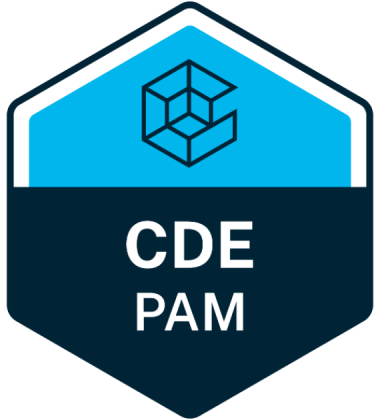
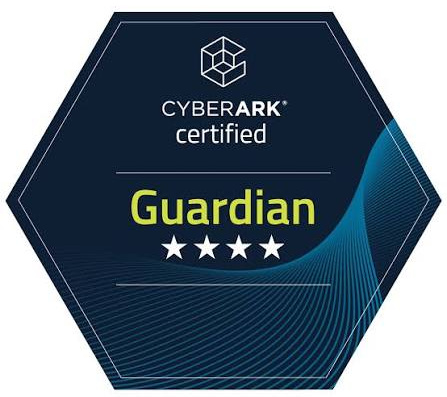
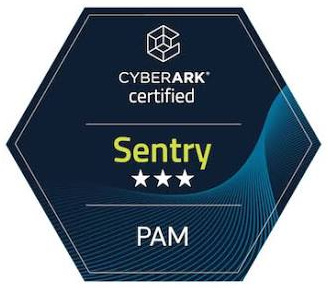
Certifications held by our engineers.
A free consultation is 30 minutes with a certified engineer. You get the findings in writing.
Needed for the site to work — page delivery, and the spam protection on our forms. These do not track you and cannot be switched off.
Google Analytics and Microsoft Clarity, so we can see which pages are useful and which are confusing. Clarity hides anything you type into a form. We use this to improve the site, not to identify you.
ZoomInfo WebSights, which tells us which organisation a visit is likely to have come from and which pages were read. With this on, ZoomInfo may also set third-party cookies that help it recognise a visit across other websites, and may share that with its own partners. Turning this off stops all of it.